
Bounds Ledger
About to cite a mathematical bound? Bounds Ledger watches 115 best-known constants, re-checks them every day, and shows you when each number last moved - with the source beside it. Free, no account.
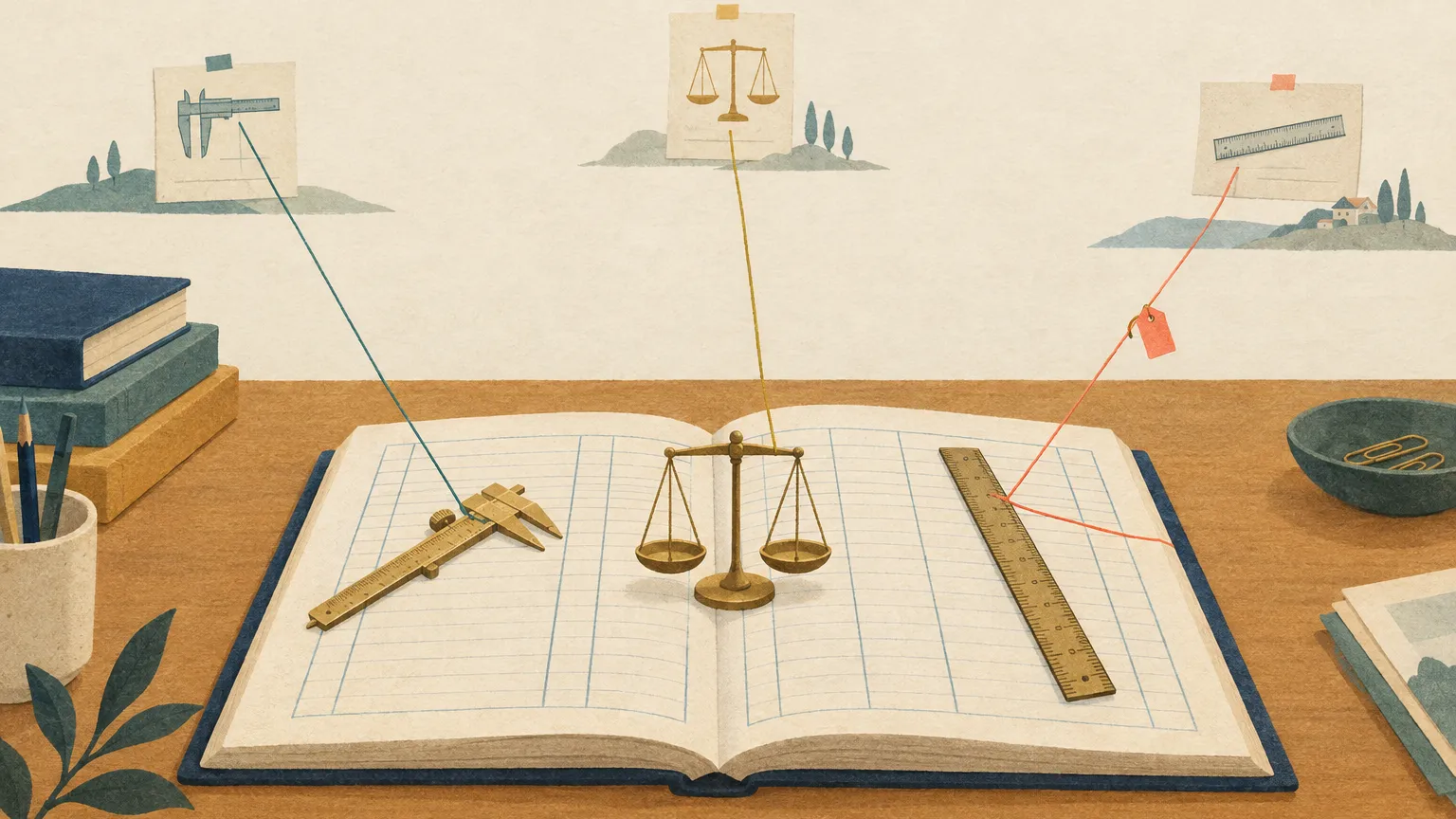
Overview
Bounds Ledger is a public page for one question: is the number you're about to cite still current? It mirrors the best-known upper and lower bounds for 115 mathematical constants from the curated list Terence Tao keeps on GitHub (the matrix multiplication exponent and the moving sofa constant among them), plus a second page of small Ramsey numbers.
Type a name, an id or a value and the page finds it. For each constant you see the last-listed upper and lower rows, the date each row last changed, whether that change moved the bound or only the text around it, and a link to the primary source. A daily check compares every table with the source list and goes red when one moves.
It does not hunt for better bounds, and it does not check the proofs. It checks that a cited record still says what it said, and that the pages citing it agree.
Why I built it
I'm not a mathematician, but I like math enough that I wanted to be useful to it - an accountant for mathematicians, more or less. The job I found was boring and unowned. Best-known bounds move, and the papers and index pages that cite them don't move with them. The ledger opened on exactly that: two sources a hair apart on the Erdős minimum overlap constant, both right, and a third, widely cited page that had gone stale.
How it works
1. Search for your constant - type a name, id or value; matching covers every value in the mirrored tables. 2. Read the row - see the last-listed upper and lower bounds and the date each one last changed. 3. Check the source - every number links to the primary source it came from. 4. Report what looks wrong - each row has a "looks wrong?" link.
Feature highlights
- 115 constants watched - best-known bounds copied byte for byte from Terence Tao's curated list, so any upstream change shows up.
- When it last moved - each row says when it last changed and whether the bound moved or only the wording around it.
- Checked every day - a scheduled job re-verifies the pinned rows daily.
- Source beside every number - one click from the bound to the paper or page it came from.
- Small Ramsey numbers - a second page holds the values Radziszowski's survey prints for R(k, l), with the reference it credits for each.
- A track record you can count - 17 upstream changes caught since the alarm was armed on 2026-07-24, and 2 corrections merged by the source list's maintainer.
- Open and checkable - the code and every catch are public, and anyone with Node can re-run the check in about a minute.
Pricing
Free and open source under the Apache 2.0 license. No account and nothing to install to read it.
Notes
- For whom: Mathematicians, graduate students and referees who are about to cite a bound, a constant or a certificate.
- How it's built: A static page built from a public GitHub repository, with the checks running daily in CI.
You might also like

Agentic Directory
LiveNeed an AI tool that actually does the work? Describe your situation and get one honest pick, free. Agentic Directory scores more than 450 tools on a public 36-point rubric, and nobody can pay to move a score.
Agentic Directory
BloomEDU
LiveLooked up a wildflower on one hike and forgot it by the next? BloomEDU names the plant from your photo, then quizzes you on it just before you'd forget, until the name is yours. Free to start.
BloomEDU
Reframed
LiveTired of news that already knows what you should think? Reframed gives you each morning's top stories with the agreed facts first, then how the left and the right each read them, with sources.
Reframed